There is a quiet but undeniable shift happening in South Africa’s cultural landscape, one that is increasingly measured not only in sound, but in infrastructure. Global platforms are no longer just distributing music from afar. They are physically arriving, setting down roots, and situating themselves closer to the communities shaping what the world listens to.
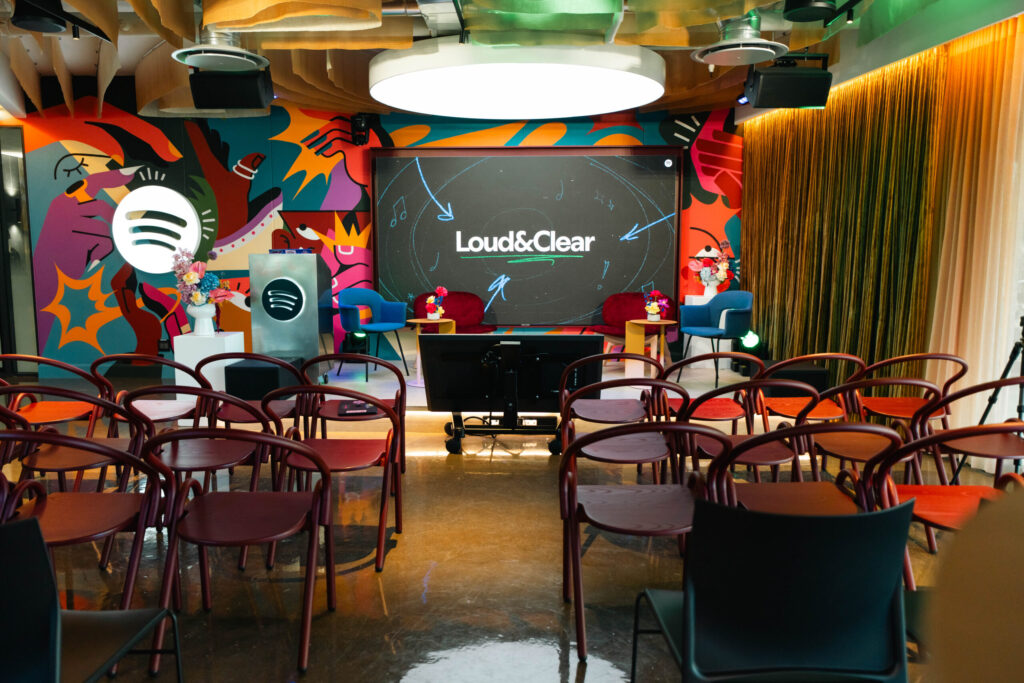
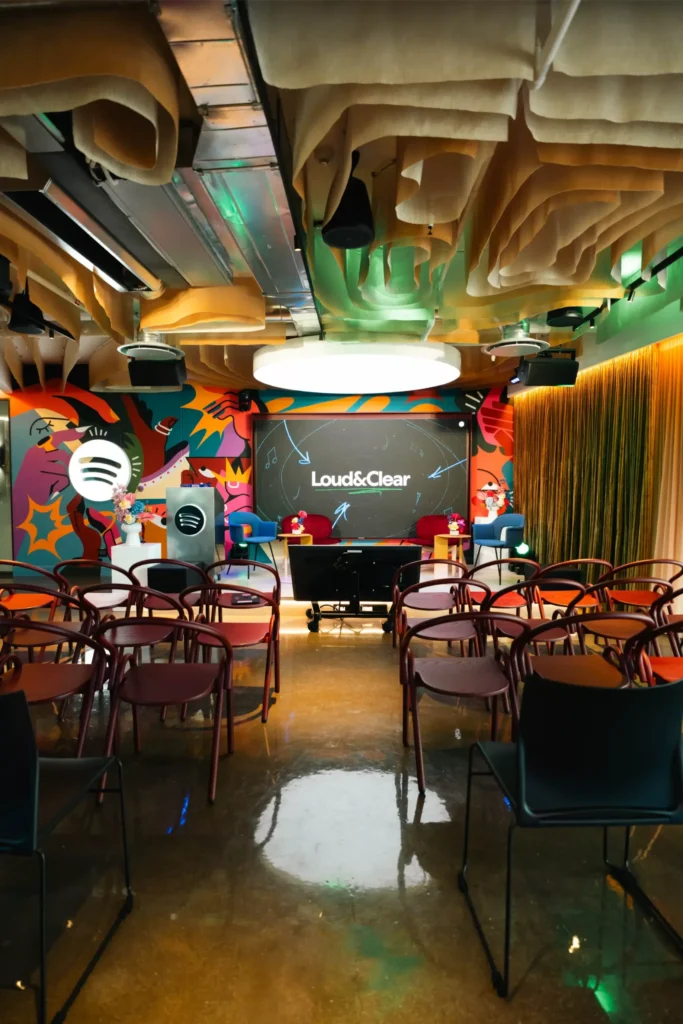
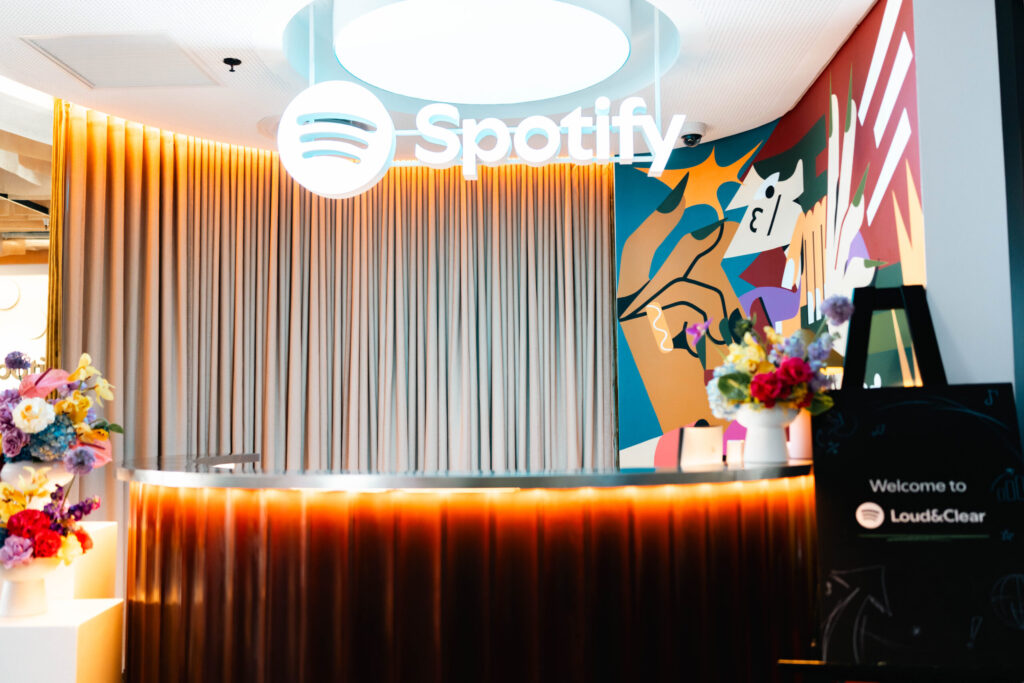
The latest arrival is Spotify, which this week officially opened its new Johannesburg office, signalling a deeper long-term investment in South Africa’s music and audio ecosystem. The launch, held on 14 May in Johannesburg, brought together artists, podcasters, publishers, media professionals, and industry stakeholders for a day that moved fluidly between celebration and serious conversation about where audio culture is headed next.
Since launching in South Africa in 2018, Spotify has grown alongside a country whose sonic identity has become increasingly influential on the global stage. Amapiano continues to travel far beyond township dance floors, Gqom still carries its raw, industrial pulse into international club spaces, and Maskandi maintains its deep cultural grounding while finding new digital audiences. These sounds are not simply being exported. They are reshaping global listening habits in real time.
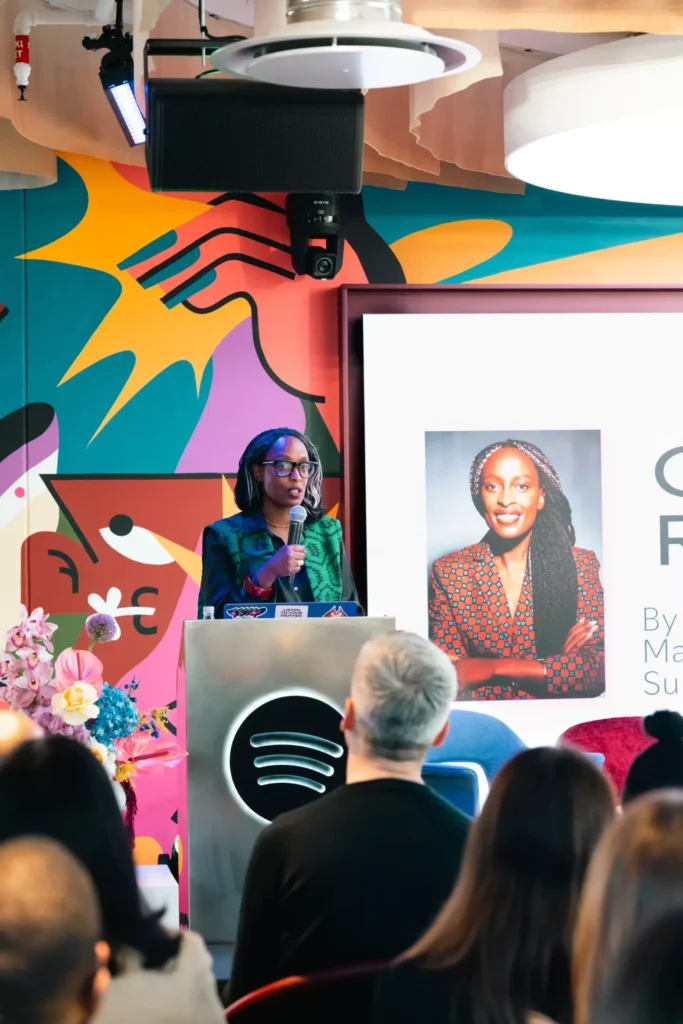
For Spotify’s Managing Director for Sub-Saharan Africa, Jocelyne Muhutu-Remy, the Johannesburg office is less about expansion and more about proximity. “Being present allows us to listen better, understand more deeply, and build relationships that reflect the realities of this market,” she said during the opening. “South Africa is one of the most culturally influential music markets in the world.”
That sense of proximity shaped the tone of the day. Rather than a standard corporate unveiling, the programme unfolded as a series of discussions that reflected the complexity of the local creative economy. One of the key conversations centred on Spotify’s Loud & Clear initiative, which focuses on transparency around artist earnings and the mechanics of streaming revenue. In an industry often criticised for its opacity, the conversation landed with particular weight for creators navigating digital platforms as both exposure tools and income streams.
Another focus shifted to audiobooks, led by Jeremy Amsellem, Spotify’s Associate Director for Audiobook Licensing and Partnerships. The discussion explored how spoken word content might grow within the South African market, particularly in a context where oral storytelling traditions remain deeply embedded in everyday life. For publishers, writers and narrators, the expansion of audiobooks signals new ways of thinking about access, language, and audience reach in a rapidly evolving digital environment.
Podcasting also took centre stage, especially the growing importance of video in expanding audience engagement. Spotify’s continued global investment in video podcasts is beginning to ripple into South Africa, where creators are experimenting with formats that extend beyond audio alone. Live recordings, visual storytelling, and hybrid content formats are slowly reshaping how audiences connect with hosts and narratives.
The Johannesburg office launch also arrives during a milestone moment for Spotify globally, as the company marks 20 years since its founding. Alongside the opening, Spotify introduced a personalised in-app experience titled Spotify 20: Your Party of the Year(s), allowing users to revisit their listening history in a more reflective, curated way.
In a notable local insight shared during the launch, Spotify highlighted shifting listening behaviours tied to Johannesburg’s work culture. User-generated playlists containing work and office-related keywords reportedly increased by more than 200% between 2020 and 2025. In areas such as Sandton and Rosebank, global names like Drake featured prominently among most-played artists, while tracks such as “Backends Fasho” by Offset and “Umaqondana” by Feza surfaced as frequent office-hour selections.
Beyond the data, the broader picture points to a city whose listening habits are evolving in step with its professional and creative rhythms, where music functions as both backdrop and language for daily life.
The launch also follows remarks from South Africa’s Minister of Communications and Digital Technologies, Solly Malatsi, who welcomed Spotify’s continued investment while urging a stronger focus on African languages, skills development, and fair artist remuneration. His comments echo a wider conversation across the continent about the responsibilities that come with global platforms operating within local creative economies.
As streaming continues to shape how music is discovered, consumed, and monetised, Spotify’s Johannesburg office feels less like an isolated corporate milestone and more like a marker of something larger. South Africa is no longer positioned at the edge of global music conversations. It is increasingly central to them.
For artists, creators, and cultural workers, the evolving question is no longer whether global attention is arriving. It is how this attention translates into something more enduring, more equitable, and more deeply rooted in the ecosystems that continue to define the country’s cultural voice.
Leave a Reply