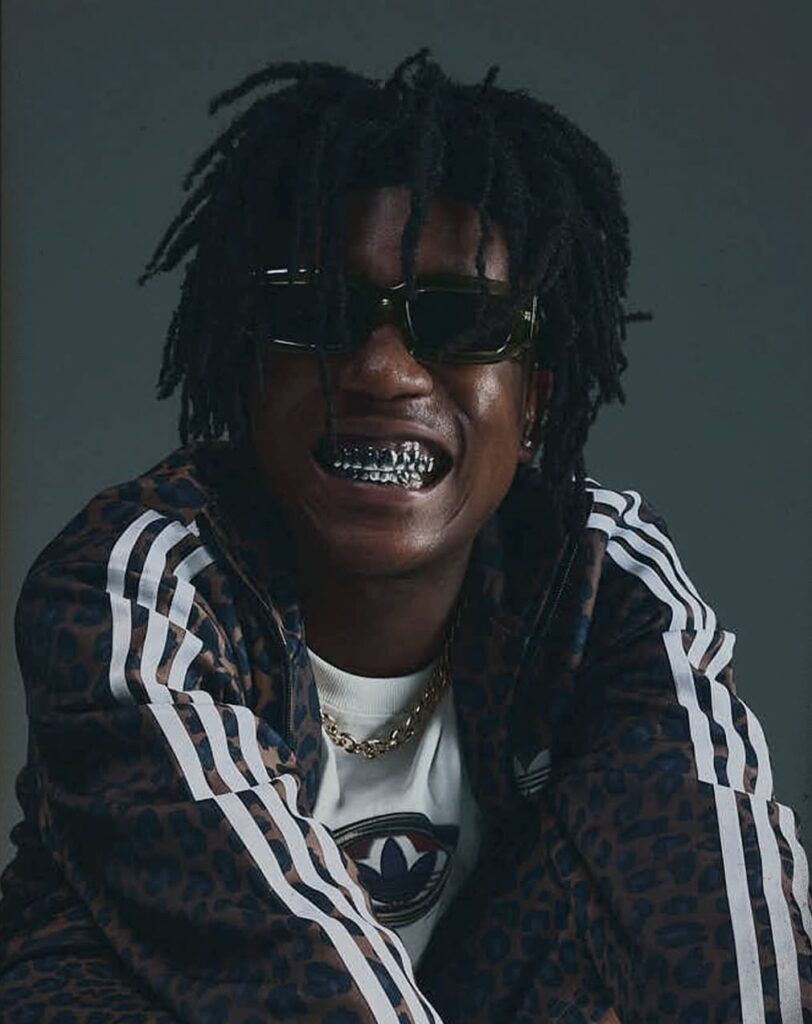
In contemporary Hip-Hop, confidence is often performed at full volume. It arrives dressed in spectacle, inflated by visibility and sharpened through constant assertion. But every so often, an artist emerges with a quieter kind of certainty, one that feels less manufactured and more lived in. LaCabra moves with that energy.
For the better part of the last few years, he has occupied an intriguing space within South African Hip-Hop. Present, but never overexposed. Respected, yet still unfolding. While many artists rush toward immediacy, LaCabra has approached his career with patience, allowing his identity to develop in real time rather than forcing it into definition too early. With MR BULLY, that slow-burning self-assurance finally hardens into focus. Positioned as his debut album, MR BULLY does not function as a traditional introduction. It feels more like an act of authorship. A tightening of language. A deliberate framing of self.
Even the title carries that tension. At face value, MR BULLY suggests confrontation, dominance, perhaps even provocation. But LaCabra reframes the term entirely, stripping it of its traditional cruelty and reshaping it into something rooted in discipline and command.
“The whole statement was about being a bully in my world and changing the word into something positive,” he explains. “Nowadays, being a bully means you bully what you do, not people. Like me, I bully raps and beats. I run that space. I am the boss in that space.”
The distinction matters because it informs the emotional architecture of the album itself. MR BULLY is not interested in aggression for spectacle’s sake. Its confidence comes from precision, from an artist who sounds deeply aware of both his ability and his direction.
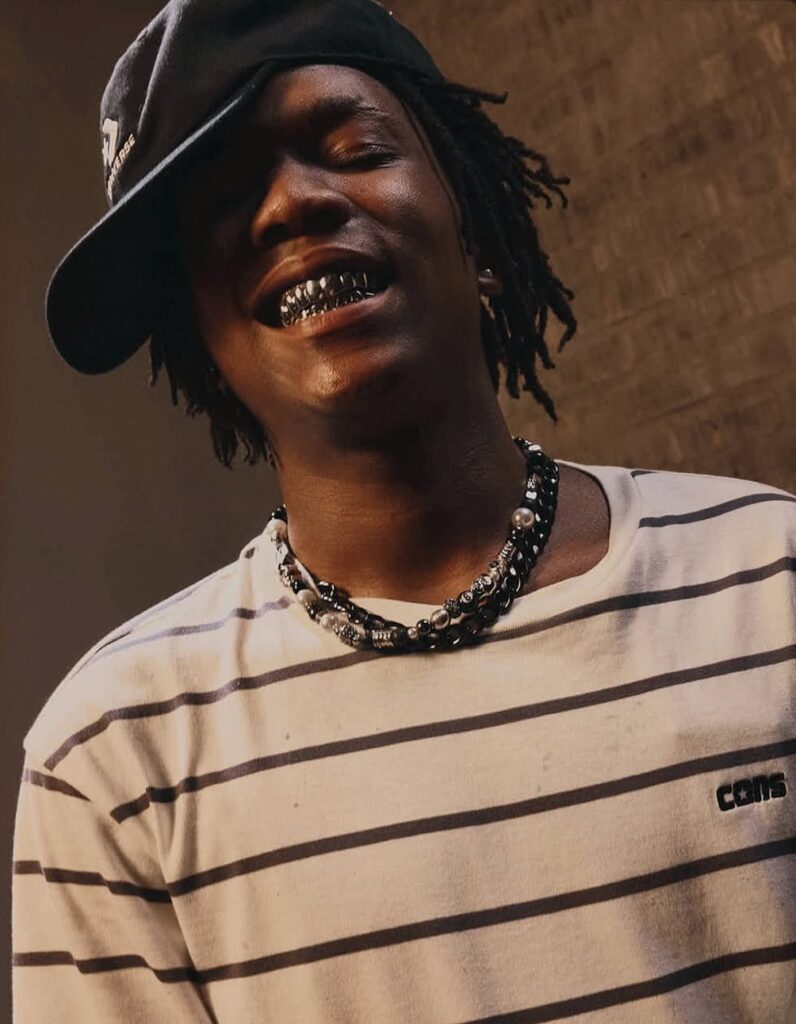
There is also a palpable sense of occasion attached to the project. LaCabra speaks about his debut album with the kind of reverence that reveals just how long he has been waiting to arrive here.
“This time means a lot to me because I can never drop my first album again,” he says. “I’ve been waiting for this moment all my life.”
That awareness gives the album its sense of intentionality. Nothing feels carelessly assembled, particularly when it comes to collaborations. While the project includes several featured artists, their presence never feels commercially calculated or structurally excessive. Instead, the features operate almost like carefully selected textures within a larger body of work.
“Every feature was carefully chosen by me,” he says. “All the songs were full songs. I had to remove my second verses where I felt like they needed a feature.”
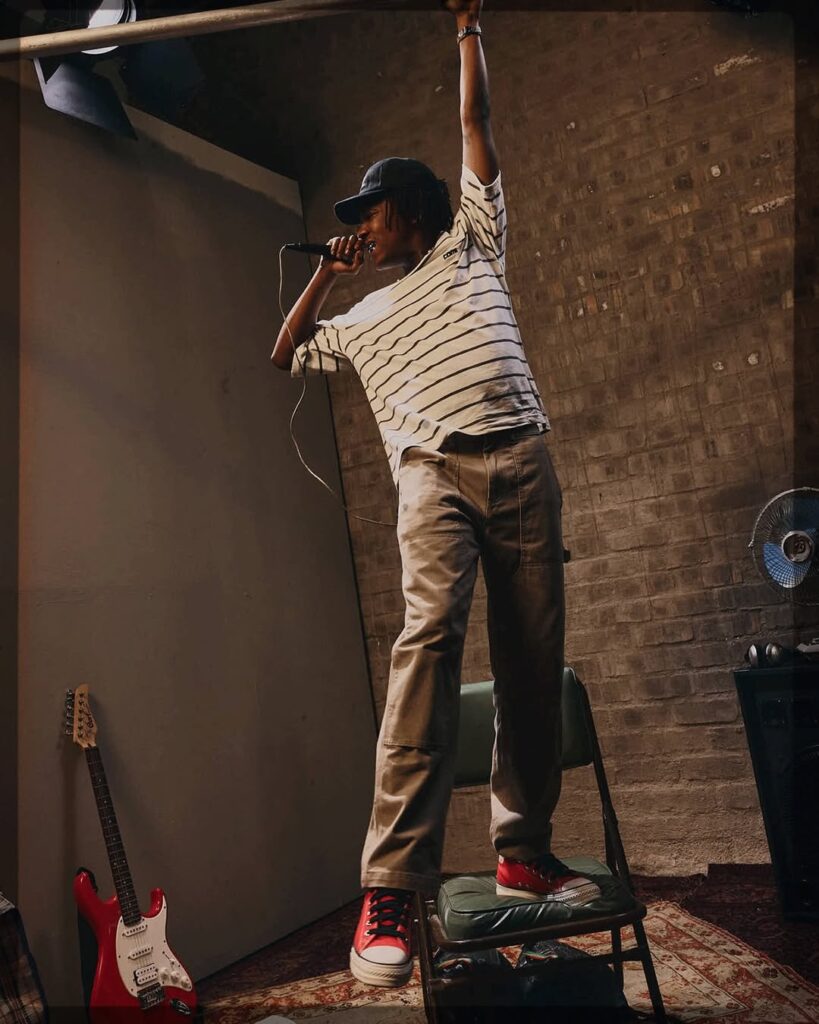
What emerges through that process is an artist who understands restraint. The songs begin as complete personal statements before opening themselves to outside voices. Collaboration becomes enhancement rather than dependency.
Much of MR BULLY also exists in conversation with identity, particularly LaCabra’s evolution from member of the Qwellers collective into a solo artist carrying his own narrative weight. The transition required a different kind of creative vulnerability, one less reliant on shared energy and more dependent on introspection.
“Being a Qweller made me get used to working with people a lot,” he says. “So when I had to focus on my own thing, it was a small challenge. I had to learn to be by myself and to tell my story alone, not the group’s story.”
That tension between collectivity and individuality gives the album much of its texture. There are moments where LaCabra leans fully into technical sharpness and bravado, but they are balanced by quieter reflections that reveal an artist thinking carefully about permanence.
“I was very intentional about making sure people could feel both sides of me,” he says. “Everyone knows I can rap on hard beats and make fire music. I just wanted to tell my story properly and make music that will last forever, not hype music.”
That desire for longevity feels central to the project’s identity. In an era increasingly shaped by speed and algorithmic consumption, MR BULLY positions itself differently. It is less concerned with immediate virality than with durability. The album does not chase relevance. It assumes it.
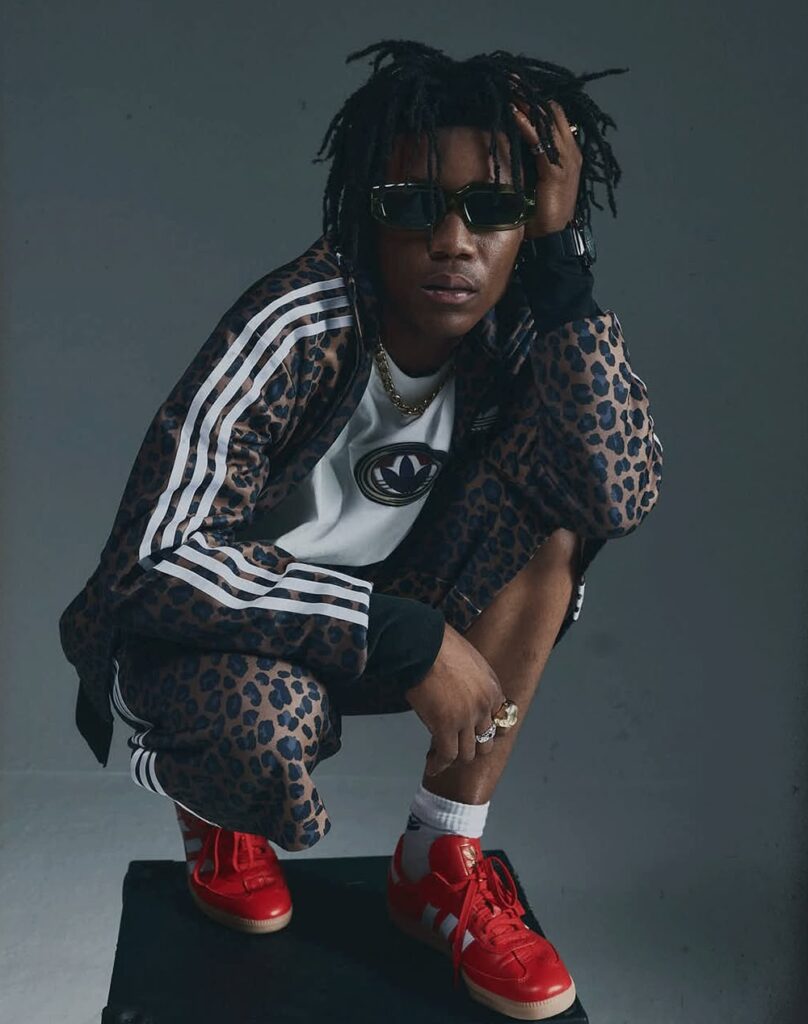
Beyond music, LaCabra’s creative world is deeply informed by culture and heritage. His references extend beyond Hip-Hop into Zulu tradition and maskandi music, influences that subtly shape both his sonic choices and visual identity.
“I’m really inspired by Zulu culture and maskandi music,” he says. “I feel like that’s something the world doesn’t have, and we can represent our country beautifully through our heritage. That shows in the way I dress and the way I mix English and isiZulu in my music.”
Those influences give his artistry a distinct sense of place. Even when the production leans globally fluent, there is something unmistakably local embedded within the music’s language and texture. LaCabra does not dilute where he comes from in pursuit of wider appeal. If anything, he sharpens it.
At the centre of MR BULLY is a desire for listeners to understand him beyond performance. Beneath the composure and technical control sits an artist interested in connection, albeit on his own terms.
“By the time people finish listening to the album, they will know me better as LaCabra, the bully,” he says. “I feel like there will be a closer connection between me and the fans.”
Even his relationship with public opinion reflects a certain steadiness. There is no visible desperation for validation in the way he speaks about reception, largely because his attachment to music predates visibility itself.
“When it comes to what people think, I don’t really care much,” he adds. “I was making music when no one was commenting, so I still have the same mindset.”
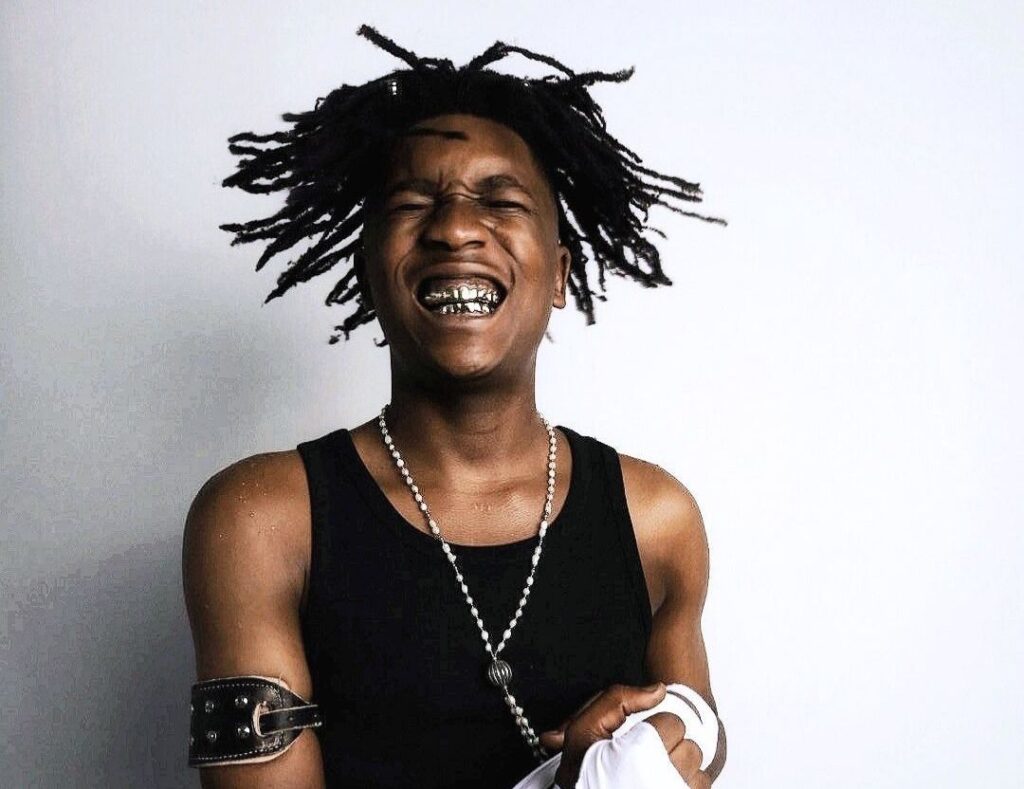
It is perhaps that mentality that gives MR BULLY its strongest quality. The album feels grounded. Focused. Unmoved by distraction.
Now, with the project released, LaCabra is preparing to take the music beyond streaming platforms and into physical spaces through touring and live performance. But even that expansion feels less like a victory lap and more like a continuation of the world he has been carefully constructing.
“Yes, I’m taking the album on tour,” he says. “People should expect exciting performances and merchandise on the road until the next album.”
Ultimately, MR BULLY is not an album about reinvention. It is about consolidation. About an artist stepping fully into himself without feeling the need to overstate the transformation.
LaCabra does not sound like someone asking for recognition anymore. He sounds like someone who has already decided where he belongs.
Stream MR BULLY by LaCabra
Leave a Reply